


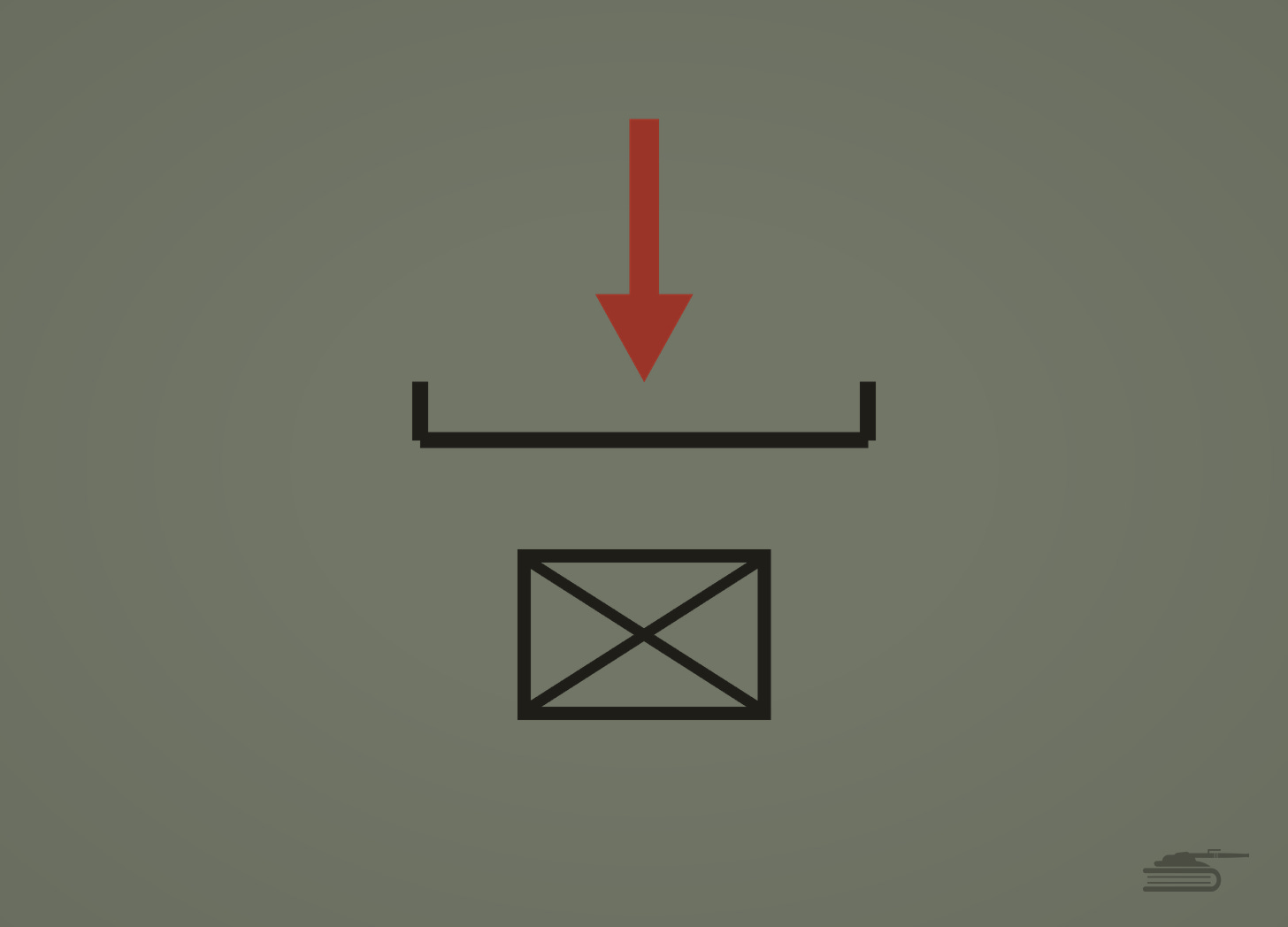
The task is block. Everything about how to block it belongs to the leader on the ground.
Summary
A mission type order gives a subordinate the task, the purpose, the end state, and the constraints — and leaves the method to them.
It exists because detailed orders break at first contact, and the person on the ground has fresher information than the person who wrote the plan.
In business: write the what and the why, set the boundaries, and stop writing the how.
WAR
Here are two orders for the same platoon, the same enemy, and the same piece of ground.
At 0600, 2d Platoon will move along the east side of Route Yellow, establish a blocking position at grid 827 493, orient north, in order to block the enemy from coming south along Route Yellow.
Compared to:
2d Platoon, you are supporting effort 1. Block enemy forces from moving south through OBJ RED no later than 0730, in order to allow 1st Platoon to destroy Company OBJ BLUE. Stay east of Phase Line Yellow.
The first order tells the platoon commander exactly what to do. It also leaves him helpless the moment the enemy doesn’t cooperate. If grid 827 493 turns out to be a swamp, or the enemy comes south on the trail a kilometer west of Route Yellow, he has two options: execute an order that no longer makes sense, or stop and call higher for a new one.
The second order tells him what must be true by 0730 and why, draws one line he can’t cross, and leaves everything else to him. Where he sets the block, how he orients, what route he takes, when he moves: his call, made from his position on the ground with the newest information. If the enemy shifts west, he shifts with them, because the task was never “be at this grid.” It was “nothing gets south through here, so 1st Platoon can do its job.” That is what gives a leader the confidence to adjust how he executes and still accomplish the mission.
That is a mission type order. It is the practical form of the idea in the Commander’s Intent post: as much as a leader possibly can, tell your team what you want done and why, not how to do it.
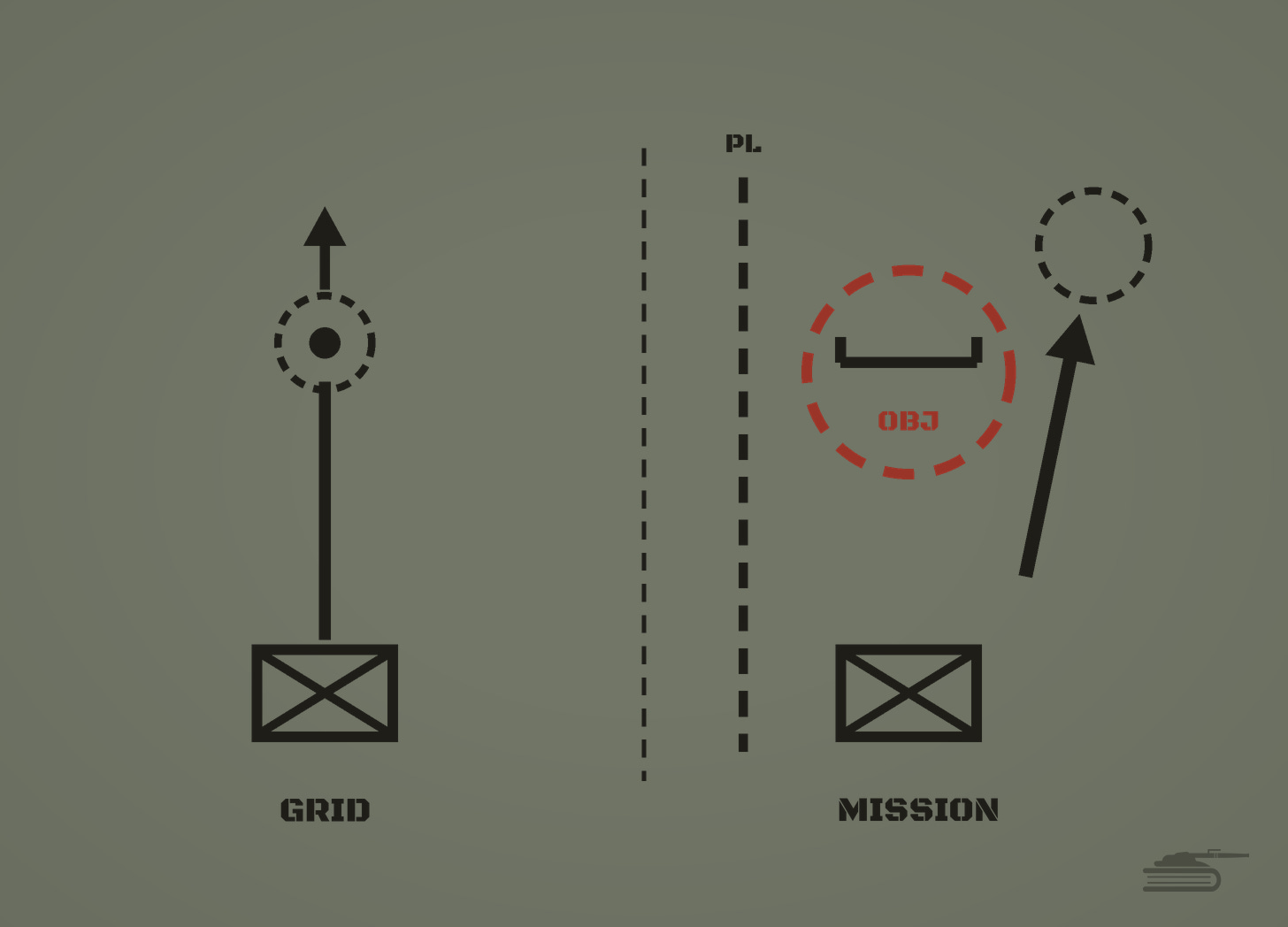
Same ground, two orders. Left: a route to a grid, oriented north. Right: a task inside a boundary, aimed at a purpose — the block on OBJ RED so 1st Platoon can take OBJ BLUE.
Where it came from
The military learned this the hard way. Warfare is dynamic and communication is hard, so a detailed order would run into a problem within minutes, and the leader on the ground would have to improvise. The trouble was that the plans were so rigid they couldn’t absorb any improvisation, and so detailed that orchestrating them took an enormous amount of communication — the exact resource that disappears first in a fight.
The Prussian and then German armies formalized the answer in the 1800s as Auftragstaktik, mission tactics. The senior commander stated the task and, above all, the purpose; the subordinate was responsible for the method. The purpose always had priority over the task. The senior commander also provided the resources, stated the constraints, and coordinated with adjacent units — and then got out of the way.
Much of maneuver warfare grew out of this idea. The Marine Corps calls the philosophy mission command, and mission type orders are how it reaches a platoon.
The anatomy of a mission type order
Every piece of the task has a job:
Task — “block enemy forces from moving south through OBJ RED.” The what. One verb, one object.
Purpose — “in order to allow 1st Platoon to destroy Company OBJ BLUE.” The why. This is the part that makes every other decision possible.
End state — implied here: by 0730, nothing moves south through OBJ RED while 1st Platoon attacks. What done looks like.
Constraints — “no later than 0730” and “stay east of Phase Line Yellow.” The boundaries: a time and a line. Inside them, the leader is free.
Notice what is missing: the route, the position, the orientation, the start time. Everything about method. The leader who receives this order owns all of it — and because he knows the purpose, he can change all of it when the situation changes, and still be right.
What it costs
Mission type orders are harder to write than detailed ones. Writing the how is easy; any leader can describe a route. Writing the why forces you to understand your own plan well enough to say what each task is for and what it would mean to have accomplished it. Plenty of leaders write detailed orders because they haven’t done that thinking.
They also depend on two things the leader has to earn. The first is trained subordinates: a mission type order to a leader who can’t plan is just abandonment, which is why the Marine Corps spends so much effort teaching every leader a planning process before it hands them this much freedom. The second is a reporting system that keeps the senior commander informed without pulling decisions back up the chain — the subordinate keeps the method, the commander keeps the picture. Done right, the orders go down thin and the information comes back up thick. (That return channel is what the Connecting File post is about.)
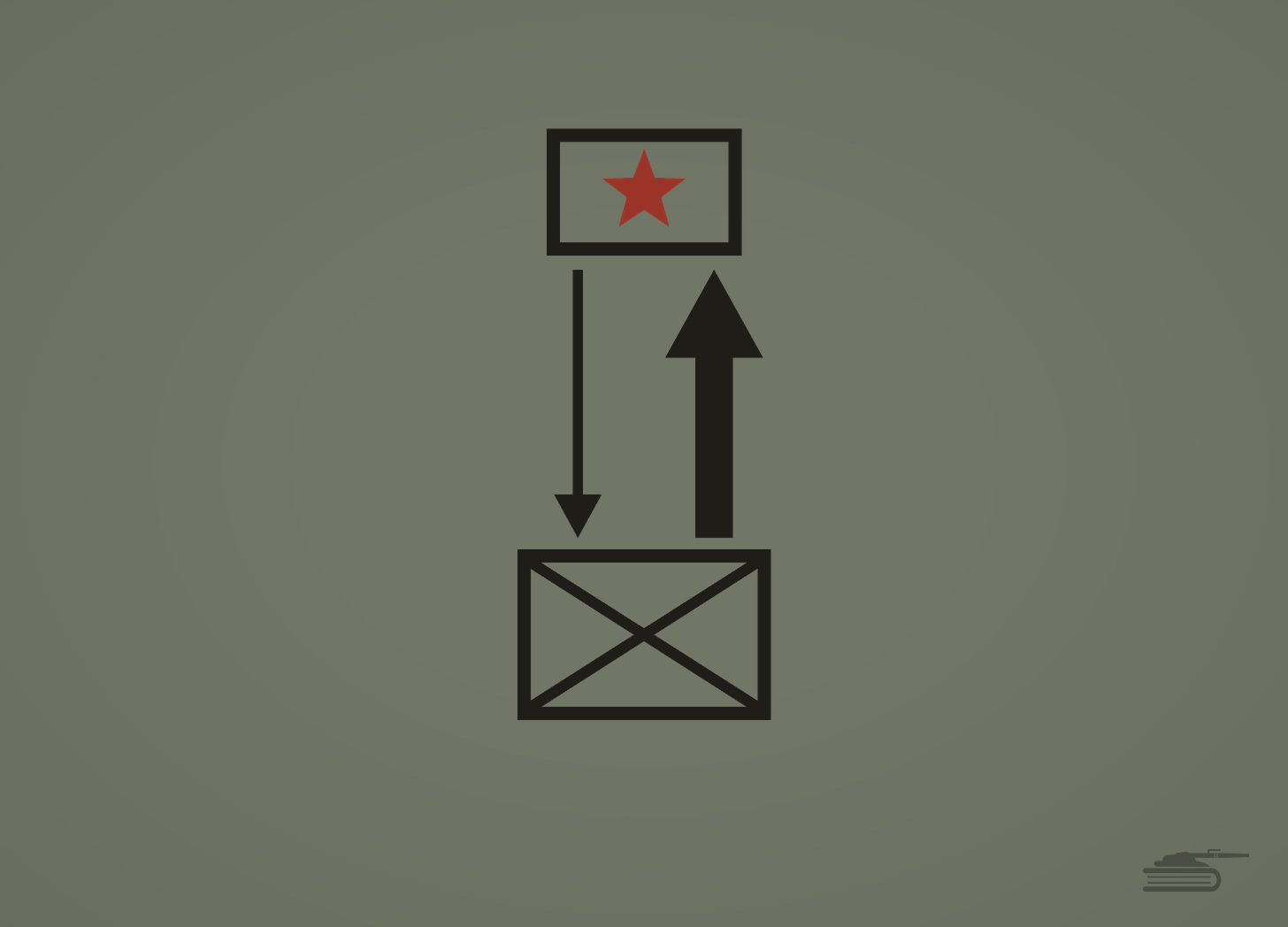
Orders go down thin. Information comes back up thick. The subordinate keeps the method; the commander keeps the picture.
BUSINESS
Most business tasking is the first order. “Send finance the Q3 numbers by Friday.” Grid, orientation, time. The analyst sends the numbers, finance comes back Monday asking for the Q2 comparison, and a week is gone — because nobody told the analyst what the numbers were for.
The mission type order version:
Finance needs to show the board on the 20th whether the Michigan expansion is paying for itself. Get them what proves it one way or the other — the Q3 numbers at minimum — by Friday, so they have a week to build the deck. Don’t pull anything from the audited statements yet; those aren’t final.
Task, purpose, end state, a time constraint, a scope constraint. The analyst reads it and immediately knows that Q3 alone doesn’t answer the board’s question, adds the comparison without asking, and finance gets what it needed the first time. Nothing about how to build it was specified, and nothing needed to be.
The format
Every task you hand out can carry these five lines. Most won’t need all five written down, but you should be able to answer each one:
Task — what, in one sentence with one verb.
Purpose — why, and the “in order to” cue from the Commander’s Intent post is the easiest way to force yourself to write it.
End state — what done looks like, specific enough that both of you would recognize it.
Constraints — the lines they can’t cross: deadline, budget, scope, who they can’t commit on your behalf.
Resources — what they have to work with, and who they can pull in.
Then stop. If you find yourself writing the method, ask whether you actually need it done that way or whether you just happen to know a way. Almost always it’s the second.
When not to use it
The Marine Corps earns the right to use mission type orders with years of training. You have to earn it too. A new hire doesn’t get a mission type order on day one; they get the detailed version, and the detail shrinks as they prove they can plan. Some tasks are all method — a compliance procedure, a safety process, anything where the how is the point — and those get written out in full. And in a genuine crisis, when there’s no time for anyone to plan, you give the detailed task.
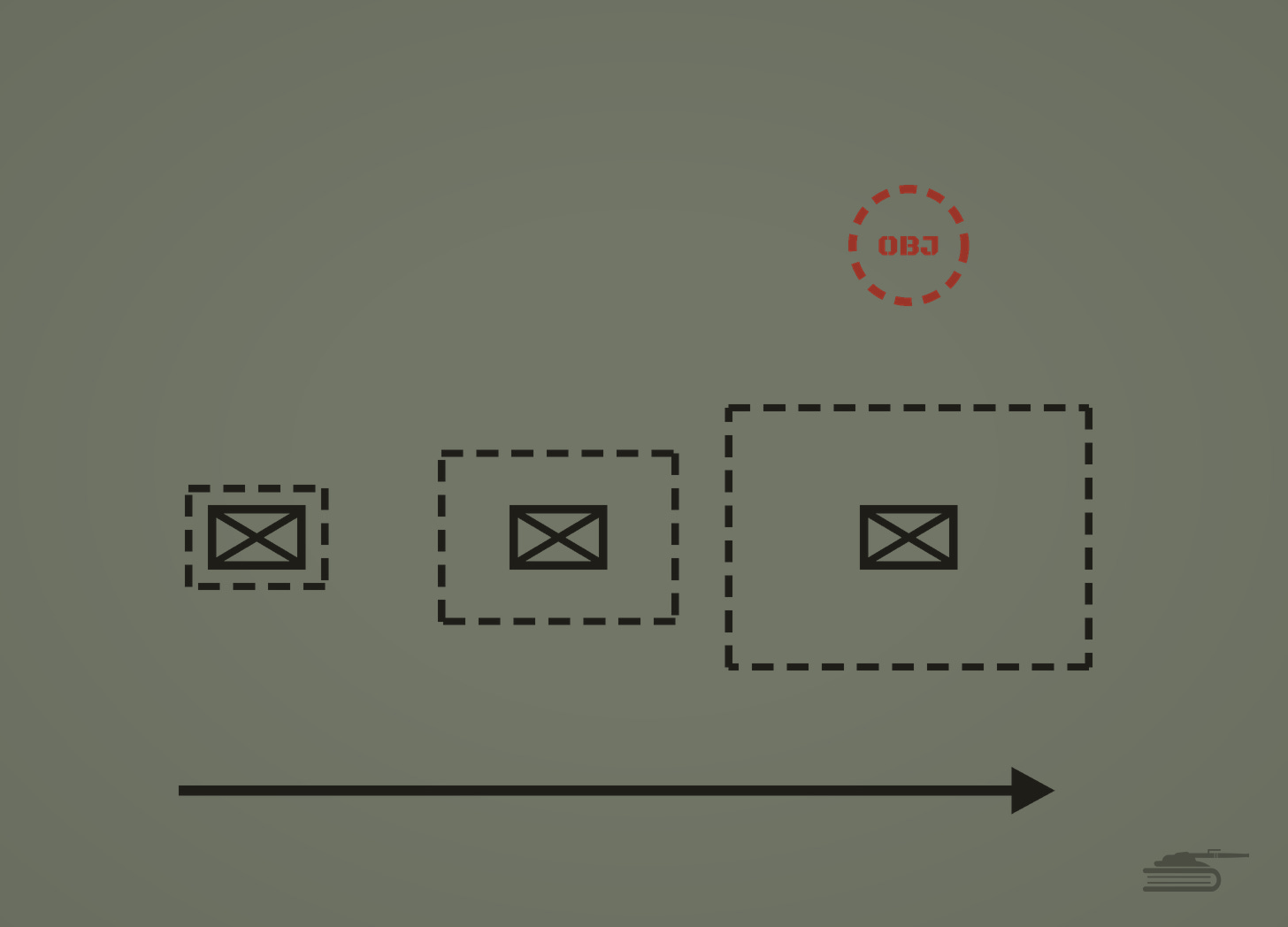
Freedom of action is earned. The box around a new leader is tight; it widens as they prove they can plan. The objective never moves.
Everywhere else, the test is simple: if the situation around this task changed and you were unreachable for a day, could the person you tasked make a good decision about this work? If the answer is no, you gave them a task, not a mission type order. Go back and give them the why.
Key takeaways
A task without a purpose is an instruction. A task with a purpose is a mission — and only one of those survives contact with reality.
Write the what, the why, the end state, and the boundaries. Leave the method to the person doing the work.
Mission type orders require trained people and a steady flow of information back up. Build both before you hand out the freedom.
References
van Creveld, Martin. Command in War. Harvard University Press, 1985. Link
United States Marine Corps. MCDP 1: Warfighting. 1997. Free PDF